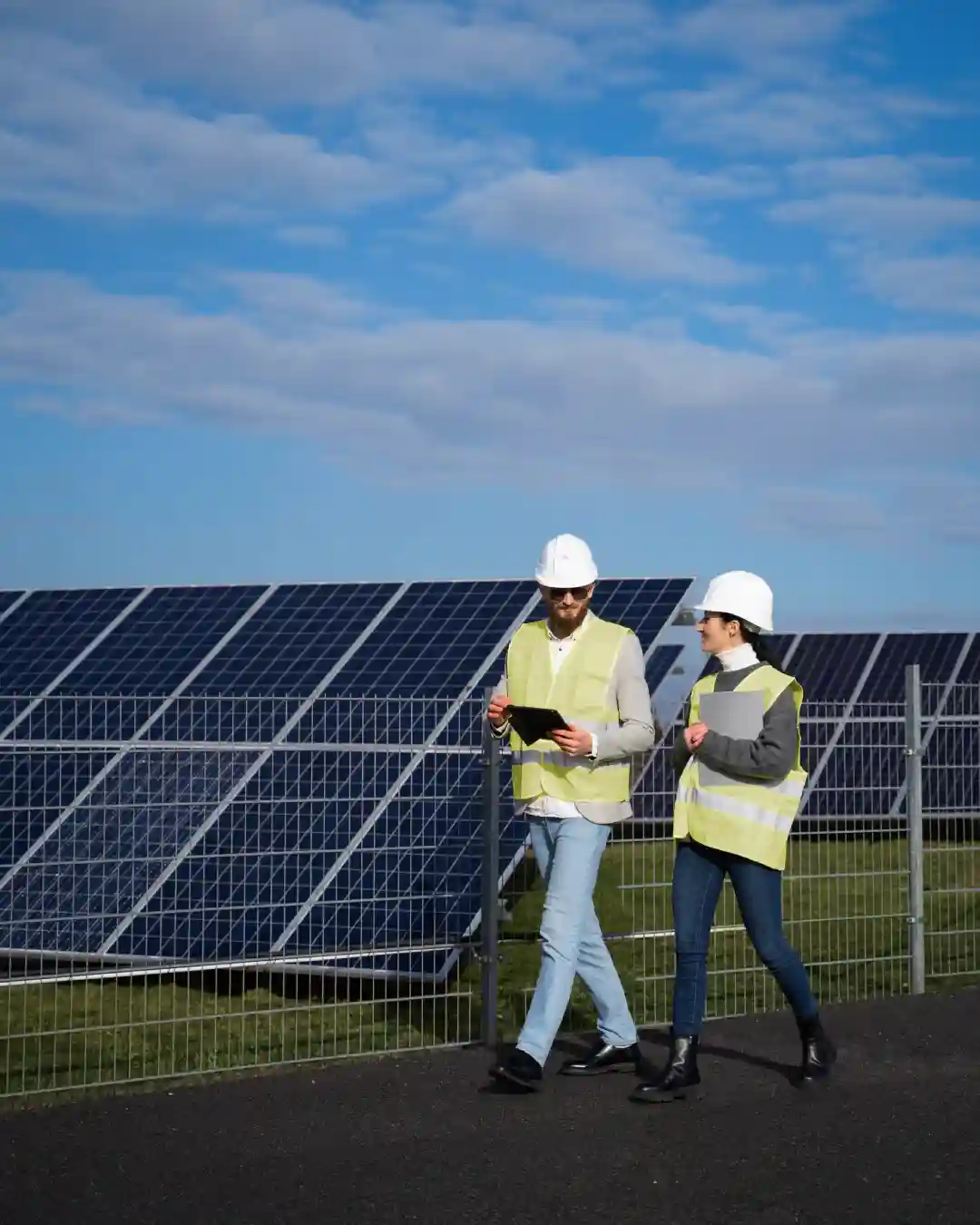
If your solar plant was built around 2017 or 2018, you might be noticing a trend. The breakdown calls are happening more often. The spare parts are harder to find. The generation numbers are slowly drifting down.
This is normal. Solar technology moves fast. An inverter from 2017 is like an iPhone 8, it still works, but it's slow, and Apple doesn't really want to fix it anymore.
As an asset owner, you have a choice: Keep patching up the old machine, or upgrade it. Here are the 3 Strategies for handling an aging asset, and why spending money now might save you a fortune later.
1. The "Obsolete Part" Problem (Why you need to move)
The biggest risk to older plants isn't the sun; it's the supply chain. Many inverter manufacturers from 2015-2018 have left the market or stopped making those specific models.
If your old central inverter dies and the manufacturer is gone, you are stuck. You can't just buy a new one off the shelf because the voltage and wiring won't match.
The Financial Case: Instead of spending weeks hunting for refurbished parts online, upgrading to modern string inverters ensures you have spare parts available in India today.
2. Revamping: The "Restoration" Strategy
Revamping means replacing old components (mainly inverters) to get your plant back to its original performance.
Why do this?
- Efficiency: New inverters are smarter and more efficient than old ones. Even if you don't add solar panels, just swapping the inverter can squeeze more power out of the same sun.
- New Warranties: Your old warranty has likely expired. A new inverter comes with a fresh 5-10 year warranty.
The Benefit: You stop paying for expensive repairs and secure your revenue for another decade.
3. Repowering: The "Expansion" Strategy
Repowering is more aggressive. It means replacing components to increase the total power rating of your plant.
Solar panels today are twice as powerful as they were 10 years ago. You can now fit 500W of power in the same space that used to hold 250W.
The Benefit: If you have extra land or roof space, or if your degradation is severe, swapping out old modules for new high-efficiency ones can drastically increase your total generation. It’s like putting a Ferrari engine in your old Honda.
The Bottom Line: CapEx vs. OpEx
Sticking with old equipment keeps your CapEx (Capital Expenditure) low today, but your OpEx (Operating Expense) will skyrocket as things break.
A Revamping or Repowering project requires capital now, but it lowers your operating costs and boosts your revenue immediately. It transforms a "tired" asset back into a "new" asset.